.jpg)


The ʻokina
A consonant for the brief pause in the throat between sounds, as in “oh-oh.” It appears in Oʻahu and Hawaiʻi.
Chapter 03 · Culture & language
ʻIolani Palace, Bishop Museum, and Hawaiian language programs offer ways to learn about Hawaiʻi’s history and the communities who live here.
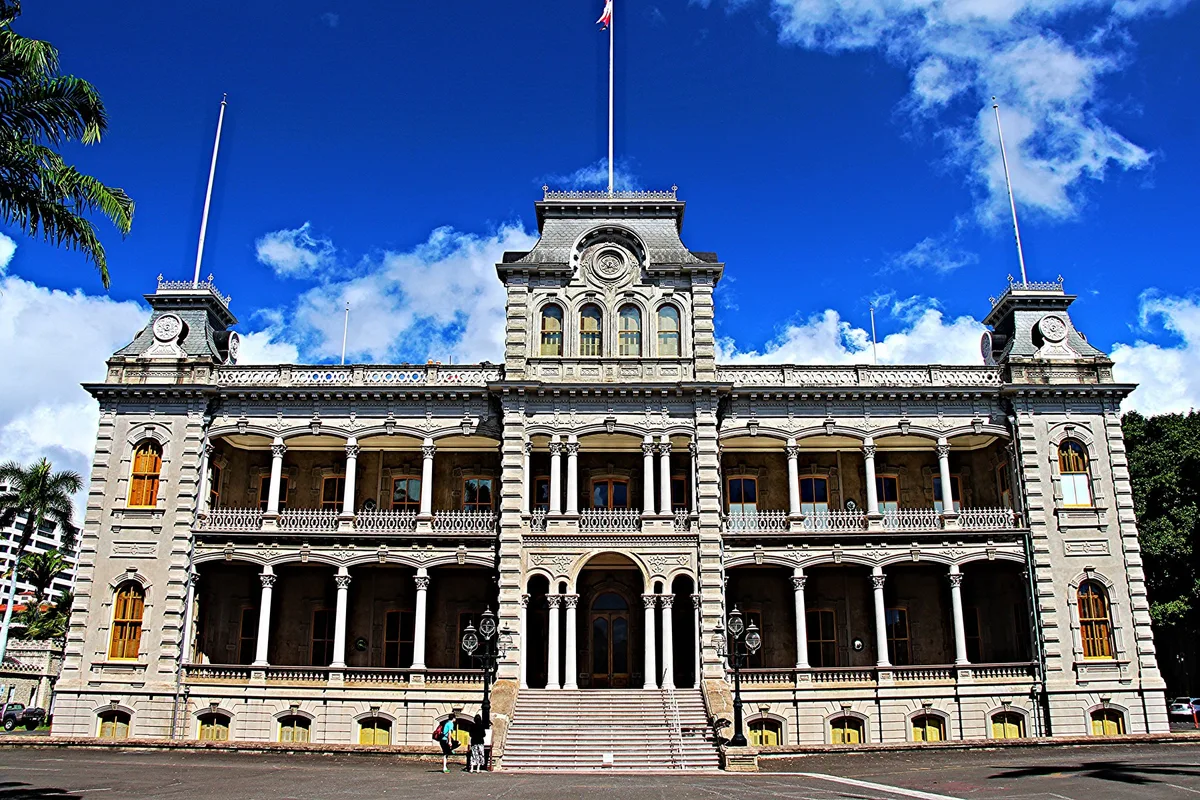
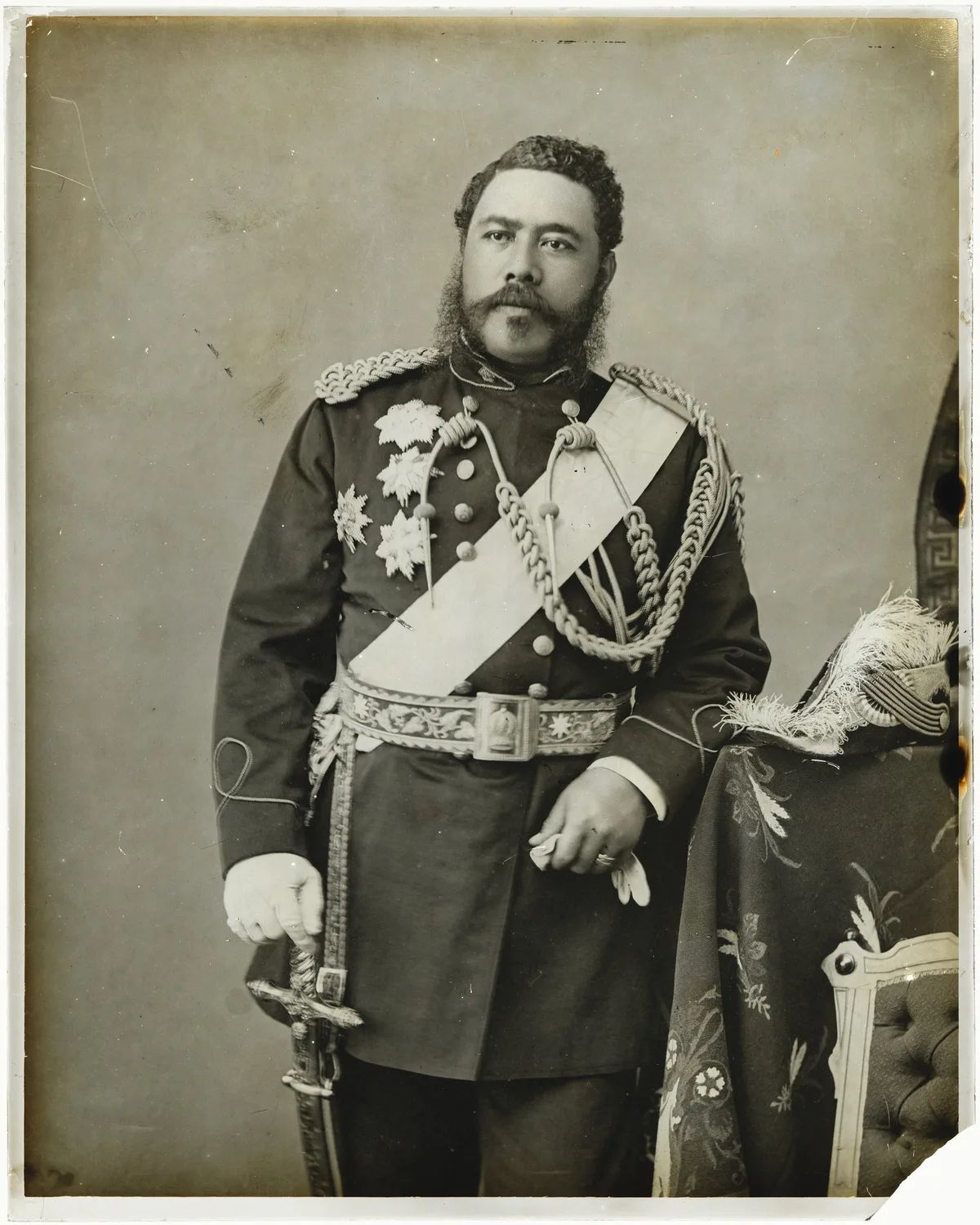
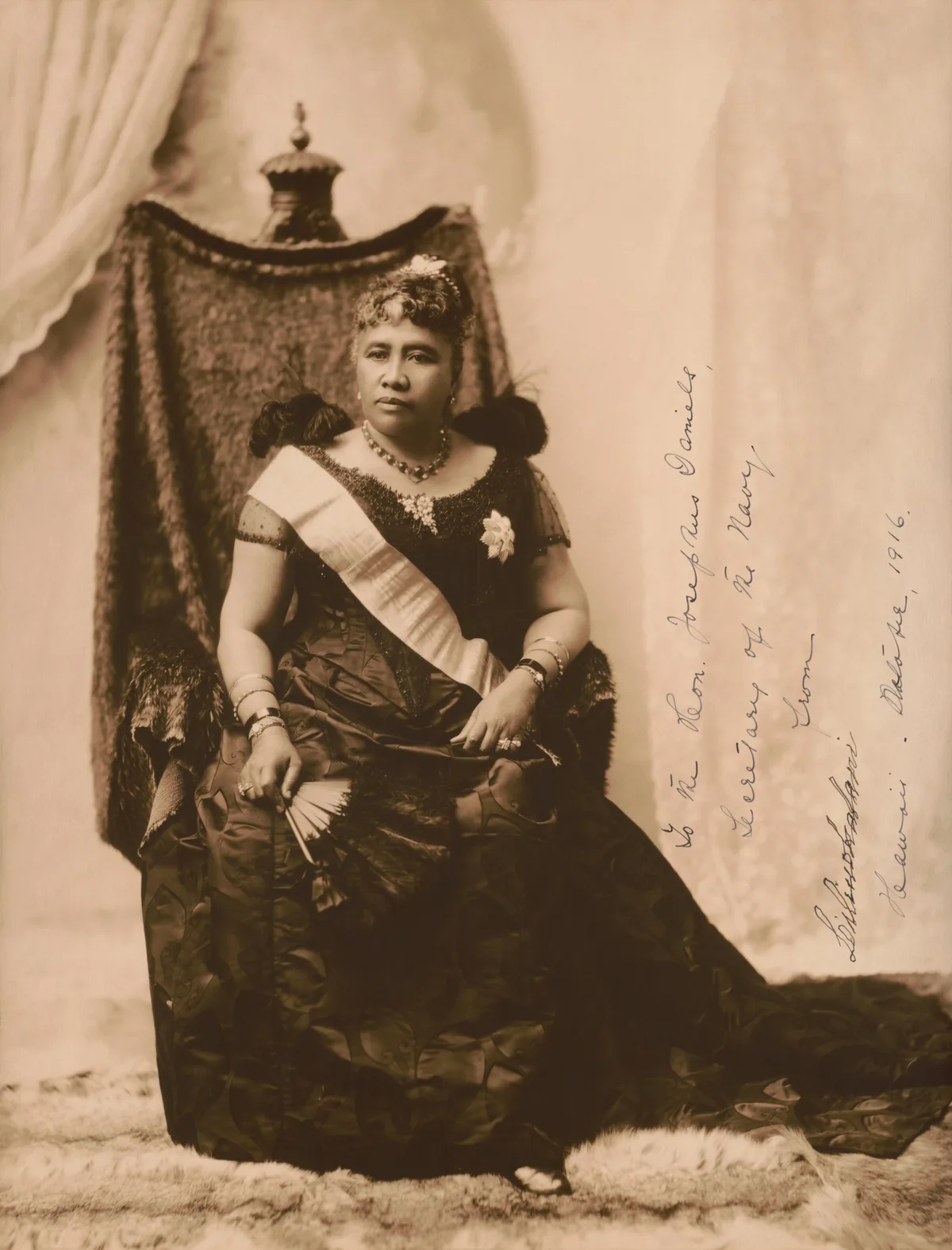
ʻIolani Palace in Downtown Honolulu was home to King Kalākaua and Queen Liliʻuokalani. Completed in 1882, it served as the royal residence and a center of government.
In 1887, King Kalākaua was forced to accept the “Bayonet Constitution,” which reduced the monarchy’s authority and shifted political power toward wealthy foreign interests. Liliʻuokalani later sought a new constitution to restore royal authority and Native Hawaiian voting rights.
On January 17, 1893, the Committee of Safety, led by American and European businessmen, overthrew the Queen and declared a provisional government. U.S. Minister John L. Stevens supported the takeover, and troops from the USS Boston had landed in Honolulu.
Liliʻuokalani yielded under protest to avoid bloodshed, hoping the United States would restore her government. It did not. In 1895, after an attempt to restore the monarchy, she was imprisoned in an upstairs room of the palace.
The overthrow and annexation were separate events. In 1897, more than 21,000 Native Hawaiians signed a petition opposing annexation. The United States nevertheless annexed Hawaiʻi in 1898 through a joint resolution of Congress.
ʻIolani Palace · Palace history · National Archives: overthrow, petitions & annexation
“Hawaiian” refers to Native Hawaiian people, language, and culture. It does not mean everyone who lives in Hawaiʻi. The Office of Hawaiian Affairs is a resource for learning about issues affecting Native Hawaiian communities, including land and cultural preservation.
Generations of migration have also shaped local life. Plantation workers came from China, Portugal, Japan, Korea, Puerto Rico, and the Philippines, among other places. Their descendants’ food traditions and languages are part of everyday life on Oʻahu.
Office of Hawaiian Affairs · Hawaiʻi’s traditions and migration histories
Bishop Museum has collections on Hawaiian and Pacific history, culture, and the natural world. Check its exhibitions and programs before visiting.
ʻŌlelo Hawaiʻi
Hawaiian is a Polynesian language. It was used in the Kingdom’s government, schools, and daily life. Families and educators have led efforts to teach it to new generations.
ʻAha Pūnana Leo began organizing in 1983 and opened its first Hawaiian-medium preschool in Kekaha, Kauaʻi, in 1984.
UH Hilo: about Hawaiian · ʻAha Pūnana Leo’s history
A consonant for the brief pause in the throat between sounds, as in “oh-oh.” It appears in Oʻahu and Hawaiʻi.
A line over a vowel that lengthens its sound, as in the two ī vowels in Waikīkī.
The ʻokina and kahakō affect pronunciation and meaning. Keep them when writing Hawaiian words, and use the audio guide to hear how the words sound.
University of Hawaiʻi: diacritical marks · Listen to the pronunciation guide ↗
Pidgin, also called Hawaiʻi Creole English, developed as people speaking different languages communicated in Hawaiʻi’s communities and plantations. It is distinct from Hawaiian and has its own grammar.
Some of these expressions also appear in everyday local English.
Expressions: UH Hilo’s language guide. History, grammar, and borrowed words: UH Charlene Junko Sato Center.
At cultural sites, follow the caretakers’ instructions. Stay on permitted paths, leave stones where they are, and ask before photographing a ceremony or its participants.
Near homes, keep driveways clear and noise low. Use public beach access and respect signs marking private or restricted land.
At the beach, ask a lifeguard about conditions before swimming. Follow posted guidance and give wildlife space.
Native Hawaiian leaders, artists, athletes, and teachers.
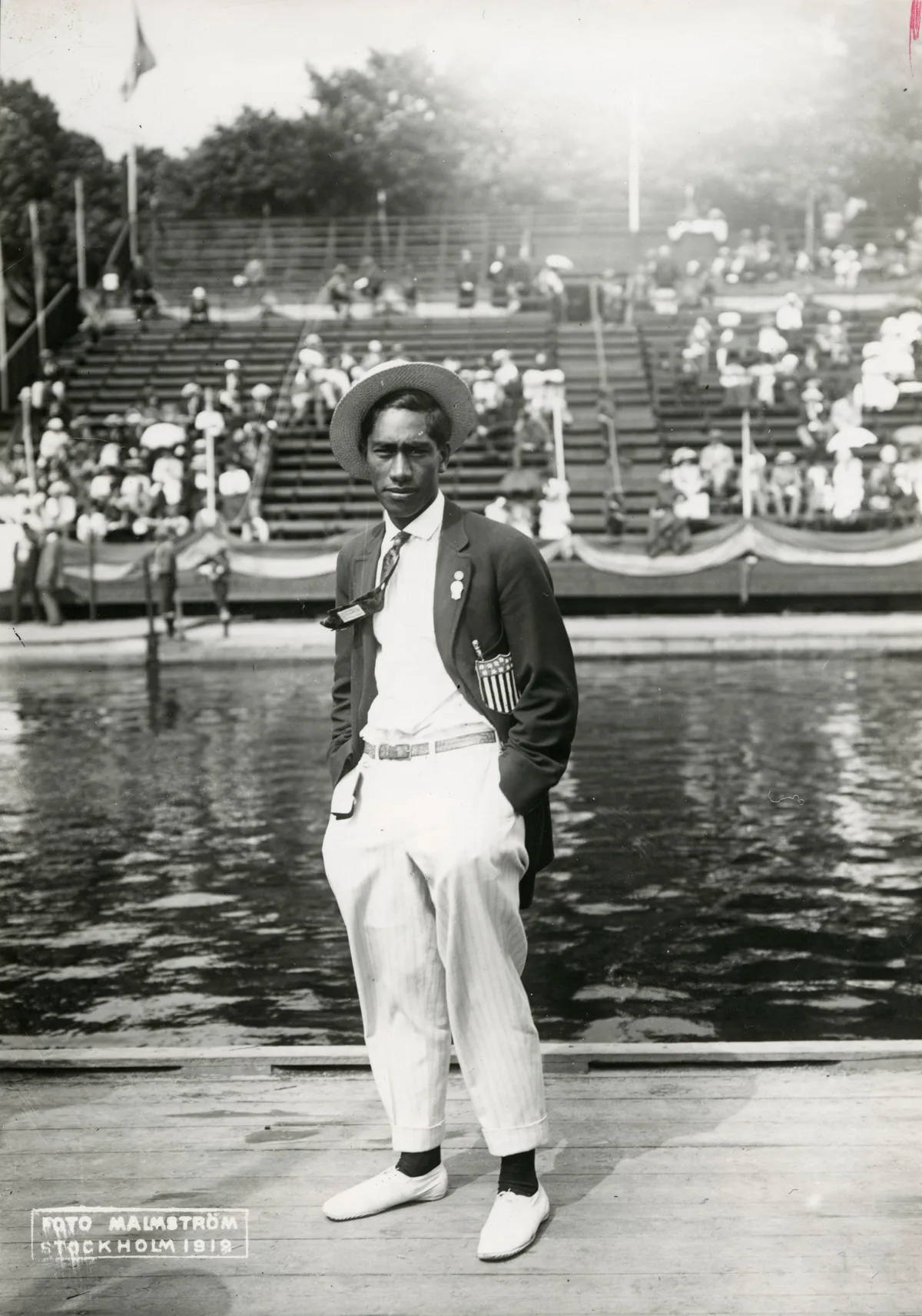
Swimming & surfing
An Olympic swimming champion who helped introduce surfing to audiences around the world. He grew up in Kālia, Waikīkī, and co-founded the Hui Nalu surf club.
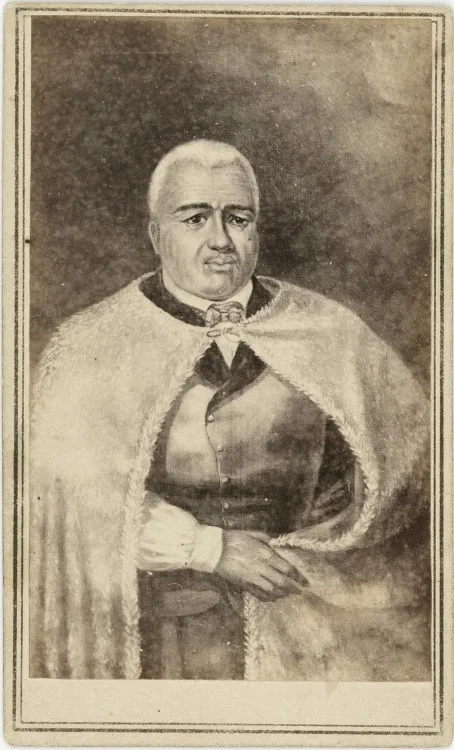
The Hawaiian Kingdom
United the islands under one kingdom by 1810 through warfare and diplomacy. His reign established the Kingdom that his successors governed through the nineteenth century.
Royalty & diplomacy
The king who commissioned the present ʻIolani Palace. His 1881 visit to Japan included a meeting with Emperor Meiji and helped develop ties between Hawaiʻi and Japan.
Sovereignty & music
Hawaiʻi’s last reigning monarch and the composer of “Aloha ʻOe.” Her writings, music, and efforts to protect Hawaiian sovereignty remain central to her legacy.
Education
Directed that her estate support the education of Native Hawaiian children. Her will established the trust behind Kamehameha Schools, which opened its first school in 1887.
Health care
Co-founded The Queen’s Hospital with King Kamehameha IV in 1859. Their response to the health needs of Hawaiʻi’s people continues through The Queen’s Health Systems.
Language & cultural knowledge
A scholar, translator, and hula expert whose work preserved Hawaiian knowledge across generations. Her publications include the collection ʻŌlelo Noʻeau: Hawaiian Proverbs & Poetical Sayings.
Ocean navigation
Studied with navigator Mau Piailug and navigated Hōkūleʻa to Tahiti without modern instruments in 1980. He has since taught generations of voyagers to find their way using the stars, waves, and other natural signs.
Lifeguarding & surfing
A Waimea Bay lifeguard and big-wave surfer remembered for saving lives. In 1978, he paddled for help after Hōkūleʻa capsized and was never found.
Music
A singer and ʻukulele player who performed with the Mākaha Sons of Niʻihau before his solo career. His recording of “Over the Rainbow / What a Wonderful World” brought his voice to listeners around the world.

